
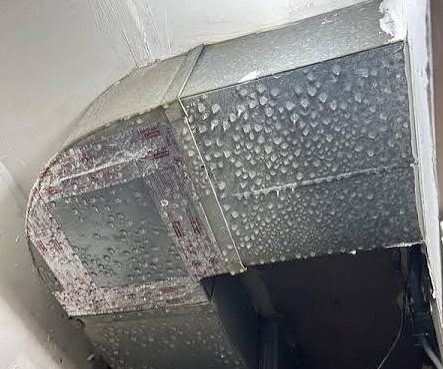
Condensation on Your Ductwork: Why Your Air Conditioner Usually Isn’t to Blame
Have you noticed condensation on your ductwork or water droplets forming on your air ducts during the summer? It’s easy to assume your air conditioner is leaking or failing, but in most cases, that’s not what’s happening.
The truth is that sweating ductwork is usually caused by extreme outdoor temperatures, high humidity, and the natural process of condensation—not a malfunctioning HVAC system. Understanding why it happens can help you avoid unnecessary repairs and protect your home from moisture damage.
Why Is My Ductwork Sweating?
Your air conditioner cools the air before sending it through your home’s ductwork. During periods of extreme heat, the metal ducts become much colder than the surrounding air, especially in attics, crawl spaces, garages, and unfinished basements.
When warm, humid air touches those cold ducts, moisture in the air condenses into water droplets. It’s the same reason a glass of ice water “sweats” on a hot day.
This means the water is coming from the air around the ductwork—not from inside your air conditioner.
Extreme Summer Heat Is Often the Main Cause
One of the biggest reasons homeowners notice condensation on air ducts is prolonged periods of hot, humid weather.
During a heat wave:
- Your AC runs longer to keep your home comfortable.
- Ductwork stays colder for extended periods.
- Humid air surrounds the ducts.
- The temperature difference increases condensation.
In many cases, your HVAC system is doing exactly what it’s designed to do—cool your home efficiently.
Other Factors That Can Increase Duct Condensation
While extreme temperatures are usually the primary cause, several other conditions can make the problem worse.
Poor Duct Insulation
Damaged or missing insulation allows warm, humid air to contact the cold metal surface of your ducts, increasing condensation.
High Indoor Humidity
Cooking, showering, laundry, and poor ventilation all raise indoor humidity. The more moisture in the air, the easier it is for ducts to sweat.
Air Leaks
Small leaks in your duct system allow humid air to reach cold surfaces while reducing your system’s efficiency.
Dirty Air Filters
Restricted airflow can affect system performance and contribute to uneven cooling, making condensation more noticeable.
When Is Sweating Ductwork Normal?
Light condensation during extremely hot and humid weather is generally normal. If the moisture disappears as temperatures or humidity decrease, your HVAC system is likely operating as intended.
However, continuous dripping water or excessive moisture should not be ignored.
When Condensation Becomes a Problem
Although the HVAC system usually isn’t the cause, excessive moisture can lead to:
- Mold and mildew growth
- Water stains on ceilings or walls
- Damaged insulation
- Wood rot
- Reduced energy efficiency
If left untreated, these issues can become expensive to repair.
How to Prevent Condensation on Ductwork
Fortunately, there are several ways to reduce or eliminate sweating ducts.
Improve Duct Insulation
Well-insulated ducts help keep the outer surface warmer, reducing condensation.
Seal Duct Leaks
Professional duct sealing prevents warm, humid air from reaching cold duct surfaces while improving energy efficiency.
Control Indoor Humidity
Maintain indoor humidity between 30% and 50%. Bathroom exhaust fans, kitchen ventilation, and dehumidifiers can help.
Change Your Air Filter
Replace your HVAC filter every one to three months to maintain proper airflow and system performance.
Schedule Annual HVAC Maintenance
Routine maintenance helps identify insulation issues, airflow problems, and duct leaks before they become costly repairs.
Could It Ever Be an HVAC Problem?
Although rare, excessive ductwork condensation can sometimes indicate an HVAC issue, such as:
- Frozen evaporator coils
- Low refrigerant levels
- Poor airflow
- Damaged duct insulation
- Improperly sized equipment
If condensation is excessive or your air conditioner isn’t cooling properly, it’s a good idea to have the system inspected by a qualified HVAC technician.
When to Call a Professional
Contact an HVAC professional if you notice:
- Water dripping from ductwork
- Persistent condensation
- Mold or mildew around ducts
- Wet insulation
- Musty odors
- Poor cooling performance
An inspection can determine whether the issue is simply weather-related or if repairs are needed.
Final Thoughts
Finding condensation on your ductwork doesn’t automatically mean your air conditioner is failing. In most cases, sweating air ducts are the result of extreme outdoor temperatures, high humidity, and the natural interaction between warm air and cold duct surfaces.
Simple steps like improving insulation, sealing duct leaks, controlling humidity, and scheduling regular HVAC maintenance can help reduce condensation and protect your home.
If you’re concerned about wet ductwork, excessive moisture, or declining cooling performance, a professional HVAC inspection can identify the cause and recommend the best solution before minor moisture problems become major repairs.
Comments are closed here.